










تقارير و تحليلات
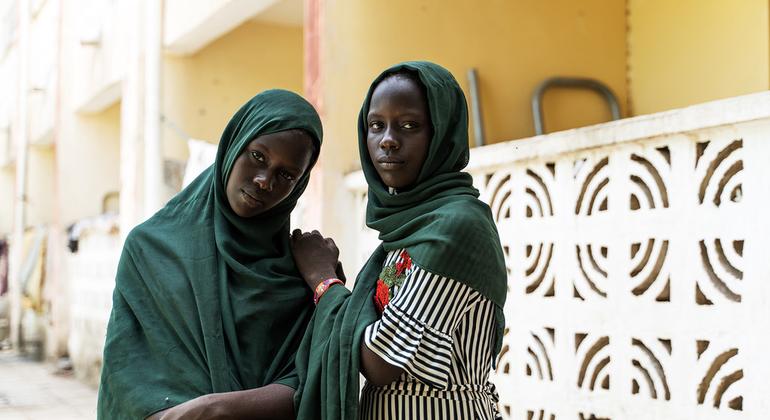
بعد عام من الحرب.. هل بات السودان أقرب إلى السلام أم إلى المجهول؟
أمستردام: 18 أبريل 2024: راديو دبنقاتقرير: محمد سليمان بعد مرور عام كامل من الحرب في السودان، ظل طيف واسع من الشعب السوداني يتساءل عن جدوى...
ما هي حظوظ موعد بريللو الجديد لاستئناف المفاوضات؟
لندن: 17 أبريل 2024: راديو دبنقا تقرير: عمر عبد العزيز بعد أن حدد المبعوث الأمريكي الخاص إلى السودان توم بريللو من قبل موعد الثامن عشر...
حسبو .. خارج أسوار الحركة الإسلامية إلى أين الوجهة؟
تقرير – أشرف عبد العزيز حسمت الحركة الإسلامية الجدل بشأن نائب أمينها العام علي كرتي ونائب رئيس الجمهورية السابق حسبو محمد عبد الرحمن وذلك بفصله...
العين الثالثة
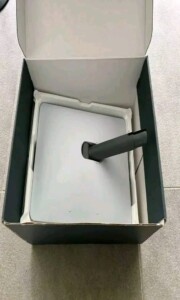
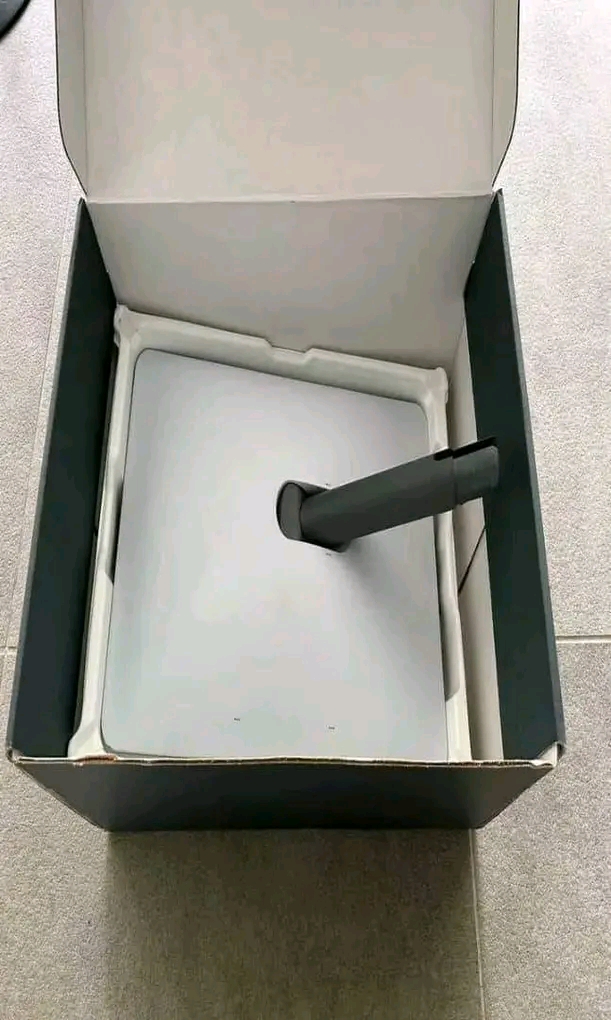
احتمال توقف “استارلينك”.. استمرار حرب الاتصالات ومخاوف من طوق العزلة
أمستردام: الخميس 18 أبريل 2024: راديو دبنقا تقرير: سليمان سريفوجي مشغلو خدمة "استارلينك" لخدمات الانترنت الفضائي في السودان بمنشور متداول على نطاق واسع، صادر من...
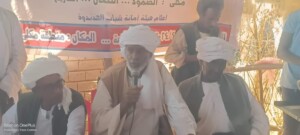
أزمة جديدة في كسلا، والناظر ترك يطالب بإقالة الوالي
كسلا:16 أبريل 2024:راديو دبنقا طالب رئيس المجلس الأعلى لنظارات البجا والعموديات المستقلة الناظر سيد محمد محمد الأمين ترك بإقالة والي كسلا معلنا عن رفضه التام...

بعد مرور عام على الحرب تقرير لـ”مبادرة مفقود” يكشف ارتفاع ضحايا الإختفاء القسري في السودان
امستردام: الثلاثاء 16/ أبريل/ 2024: راديو دبنقا أعلنت مبادرة مفقود أنها وثّقت 990 حالة اختفاء قسري منذ بداية النزاع في السودان بين الجيش والدعم السريع،...
تحقّق و ترند

(مضلل) 340 راجمة وصلت إلى الجزيرة
تداولت منصات التواصل الاجتماعي مقطع فيديو مدته 26 ثانية يصور رتلا من المركبات العسكرية التي تنقل راجمات قذائف صاروخية ثقيلة. وأرفق مع الفيديو تعليق مكتوب...

الترند اليوم: كارثة النزوح القسري الأسوأ في العالم
نشرت مجلة تايم الاميريكية مقطع فيديو مدته 5 دقائق و 49 ثانية يتناول أوضاع اللاجئين السودانيين في دول الجوار. ووجد مقطع الفيديو رواجا واسعا على...

(مضلل) استشهاد الأمين منصور
تداولت حسابات موالية للجيش على منصات التواصل الاجتماعي منشور على حساب باسم "الانصرافي الانصرافي" يتحدث عن استشهاد الأمين منصور بعد أن نجح في قتل عشرة...

 and then